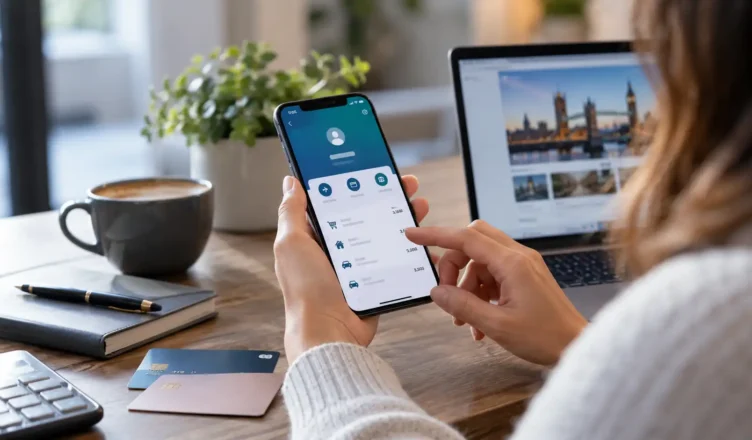
Digital banks such as Monzo, Starling and Revolut have helped make app-based financial services increasingly familiar. However, not every digital banking provider offers the same services, protections or account conditions.
For UK consumers, choosing a digital bank involves more than downloading an attractive mobile application. Account security, regulatory protection, transaction charges, customer support and access to physical cash can all influence the overall banking experience.
Understanding these differences can help consumers select an account that supports their financial needs without creating unexpected costs or inconvenience.
Why Are More UK Consumers Considering Digital Banks?
Traditional high-street banks have historically relied on physical branches, telephone services and established banking infrastructure. Digital banks generally place mobile applications at the centre of the customer experience.
This approach can make routine transactions faster and easier to manage, particularly for people who prefer monitoring their finances throughout the day.
Many digital banking applications offer instant spending notifications, automatic transaction categorisation, budgeting tools and savings features.
For example, a customer who regularly spends money on groceries, transport and entertainment may find it easier to identify unnecessary expenses when purchases are organised into spending categories.
However, convenient technology does not automatically make one provider better than another. Consumers should examine how effectively a bank supports their particular financial habits.
How Important Are Security and Financial Protection?
Security should be one of the first considerations when choosing a digital bank.
Although digital banking applications frequently incorporate advanced authentication systems, customers still need to understand how their money is held and protected.
In the UK, consumers should establish whether a provider operates as a licensed bank or offers electronic money services under a different regulatory arrangement.
Eligible deposits held with UK-authorised banks are generally protected by the Financial Services Compensation Scheme (FSCS).
As of October 2026, the standard FSCS deposit protection limit is £120,000 per eligible person, per authorised institution, following an increase in December 2025. Banks sharing the same banking licence may also share this protection limit.
Examine Mobile Banking Security Features
A reliable digital banking application should provide security controls that help customers protect their accounts.
Useful features include biometric authentication, transaction notifications, card-freezing controls and secure account recovery procedures.
Customers should also investigate how the provider handles suspicious payments, unauthorised transactions and lost mobile devices.
A bank offering sophisticated technology but limited assistance during a security incident may not provide the reassurance some customers need.
What Banking Fees Should Consumers Compare?
Digital banks sometimes promote free everyday banking, but customers should examine the full fee structure before opening an account.
Some providers charge for additional services, international transactions, premium subscriptions or certain cash withdrawals.
The following comparison highlights important expenses.
| Banking feature | What consumers should check |
|---|---|
| Monthly account fees | Free or paid account options |
| ATM withdrawals | Free allowances and additional charges |
| International payments | Exchange rates and transfer fees |
| Replacement cards | Delivery and replacement costs |
| Overdraft facilities | Eligibility and interest rates |
| Premium accounts | Subscription price and actual benefits |
A free account may be suitable for someone who primarily makes domestic card payments. However, a customer who frequently travels overseas could benefit from comparing foreign transaction charges and currency conversion policies.
Consumers should calculate their likely annual banking expenses rather than choosing an account solely because its basic subscription is free.
How Do Cash Withdrawal Limits Affect Digital Banking?
Despite the popularity of contactless payments, access to physical cash remains important for many UK consumers.
Some people regularly withdraw money for shopping, personal budgeting or payments to small businesses that prefer cash.
Digital banks may apply different ATM withdrawal limits depending on account type, location and subscription level.
For example, consumers researching how much cash can you withdraw from a Monzo account should examine the provider’s current withdrawal allowances, daily limits and potential charges.
Consider Cash Deposits as Well as Withdrawals
Cash deposits deserve equal attention.
Unlike traditional banks with extensive branch networks, some digital providers depend on third-party services for depositing physical money.
Customers who receive cash regularly should investigate deposit availability, fees and processing times.
This is particularly relevant for self-employed individuals and people who occasionally receive payments in cash.
Which Mobile Banking Features Are Most Useful?
A well-designed banking application should make financial management straightforward rather than unnecessarily complicated.
Budgeting tools can help customers organise spending, while instant notifications make it easier to identify unfamiliar transactions.
Some digital banks also provide savings pots, scheduled payments, spending limits and integration with other financial applications.
Can Digital Banking Help Improve Budgeting?
Consider a household receiving £2,800 in monthly income.
Its spending might look like this:
| Monthly expense | Illustrative amount |
|---|---|
| Rent and household bills | £1,250 |
| Groceries | £350 |
| Transport | £180 |
| Entertainment | £170 |
| Other expenses | £250 |
| Remaining balance | £600 |
A digital banking application that categorises transactions could help the household identify spending patterns and decide whether to increase monthly savings.
The figures are illustrative rather than representative of average UK household expenditure.
The same principles of monitoring expenditure and maintaining financial reserves are discussed in UKMagz’s article on finance mistakes new startup founders make.
Although that guide focuses on businesses, the importance of understanding cash flow is equally relevant to personal budgeting.
Why Does Customer Support Matter When Choosing a Digital Bank?
Customer support becomes particularly important when payments fail, accounts are temporarily restricted or customers suspect fraudulent activity.
Many digital banks provide assistance through in-app messaging rather than physical branches.
While this can be convenient, consumers should examine whether telephone assistance is available for urgent problems.
It is also worth investigating complaint procedures, accessibility features and support availability outside normal working hours.
A digital bank may offer excellent budgeting tools but still be unsuitable for someone who regularly needs face-to-face assistance.
Should Consumers Switch Completely to Digital Banking?
Moving entirely to digital banking is not necessary for everyone.
Some customers may prefer maintaining a traditional current account alongside a digital account.
This arrangement can provide additional flexibility when cash deposits, branch services or alternative payment methods are needed.
Consumers considering a complete switch should confirm whether their new provider participates in the Current Account Switch Service.
According to MoneyHelper’s bank account guidance, the service can transfer eligible payments and complete a current account switch in seven working days.
Before switching, customers should also review their standing orders, subscriptions, salary arrangements and any overdraft commitments.
How Can UK Consumers Choose the Right Digital Bank?
The most suitable digital bank depends on how an individual earns, spends, saves and accesses money.
Someone who travels internationally may prioritise foreign exchange costs, while a household managing regular bills may value budgeting features and payment notifications.
Consumers who frequently handle physical cash should pay particular attention to withdrawal and deposit facilities.
Comparing account terms, regulatory protection, customer service and everyday transaction charges provides a more reliable basis for choosing a provider than advertising claims alone.
Conclusion
Choosing a digital bank in the UK requires balancing convenience, financial protection, affordability and practical banking needs.
Mobile banking applications can simplify everyday financial management, but customers should not overlook cash access, service reliability or account restrictions.
Before opening an account, consumers should review the provider’s latest terms and confirm that its services match their personal circumstances.
The best digital bank is not necessarily the one with the most features. It is the one that offers the right combination of security, accessibility and value for the customer’s everyday financial needs.
Publishing note: The article includes one contextual link to the requested Monzo withdrawal guide, one verified UKMagz internal link and two authoritative external resources from the FCA and MoneyHelper. The FSCS protection figure is supported by the accompanying official citation.

Latest entries
 FinanceOctober 14, 2026What Should UK Consumers Consider When Choosing a Digital Bank?
 BusinessOctober 14, 2026What Are the Best Low-Investment Business Models for UK Entrepreneurs?
 FinanceJune 25, 2026What Are the Best Funding Routes for UK Startup Founders?
 FinanceMay 22, 2026Why Are British Retailers Facing Increased Financial Pressure?